
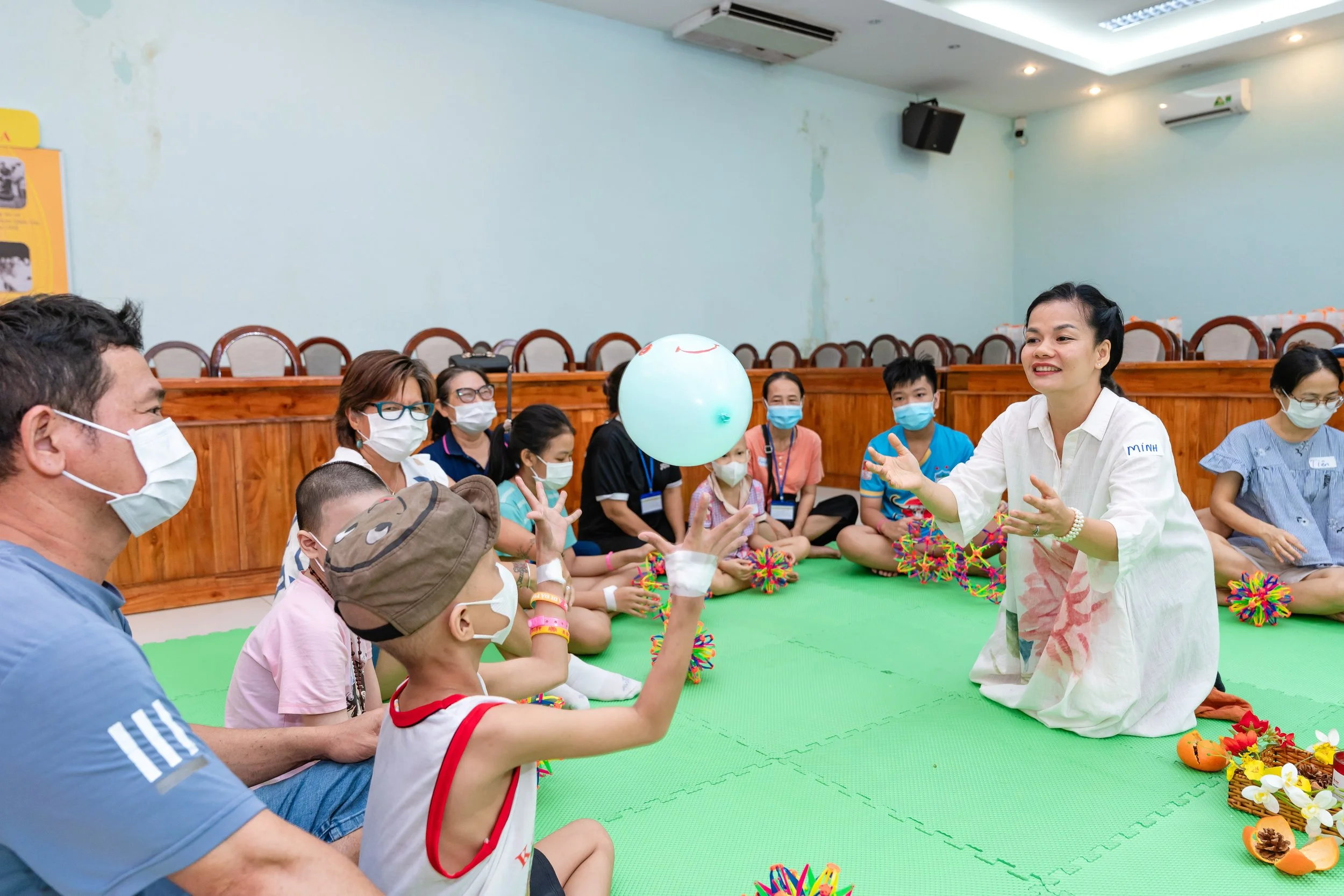
DANCE/MOVEMENT THERAPY IN PALLIATIVE CARE FOR CHILDREN WITH CANCER
In the hospital, the body of a child living with cancer gradually becomes familiar with injections, tests, medications, and countless procedures they have no choice over. There are days when children cry out in pain, only to become completely exhausted. Parents grow weary; doctors and nurses who witness this suffering day after day can also reach a point of exhaustion.
And yet, they are still children growing up. They still want to play, move, laugh, imagine, and talk about the things they dream of. Dance/Movement Therapy (DMT) can offer another way of caring for these deeply human needs.
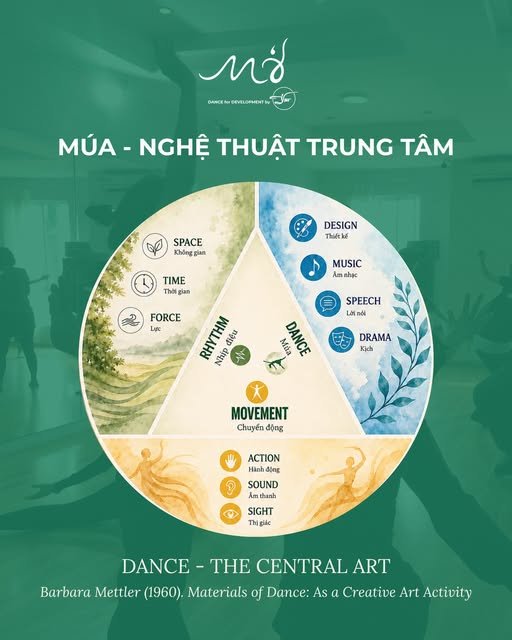
WHAT IS THE PURPOSE OF LEARNING DANCE?
Learning dance is not simply about learning beautiful movements. First and foremost, it is about learning how to BE HUMAN.
Learning how to be present in your own body.
Learning how to sense space, time, and rhythm.
Learning when to move forward and when to step back.
Learning how to listen, interact, and express what words sometimes cannot reach.
Holistic medicine: Dance/Movement therapy and Palliative care
“How can a person still live with dignity, meaning, and connection, even when circumstances cannot be changed?” This is exactly where Dance/Movement Therapy and Palliative Care meet, not just in theory, but in every moment spent by the patient's side as a HUMAN BEING.
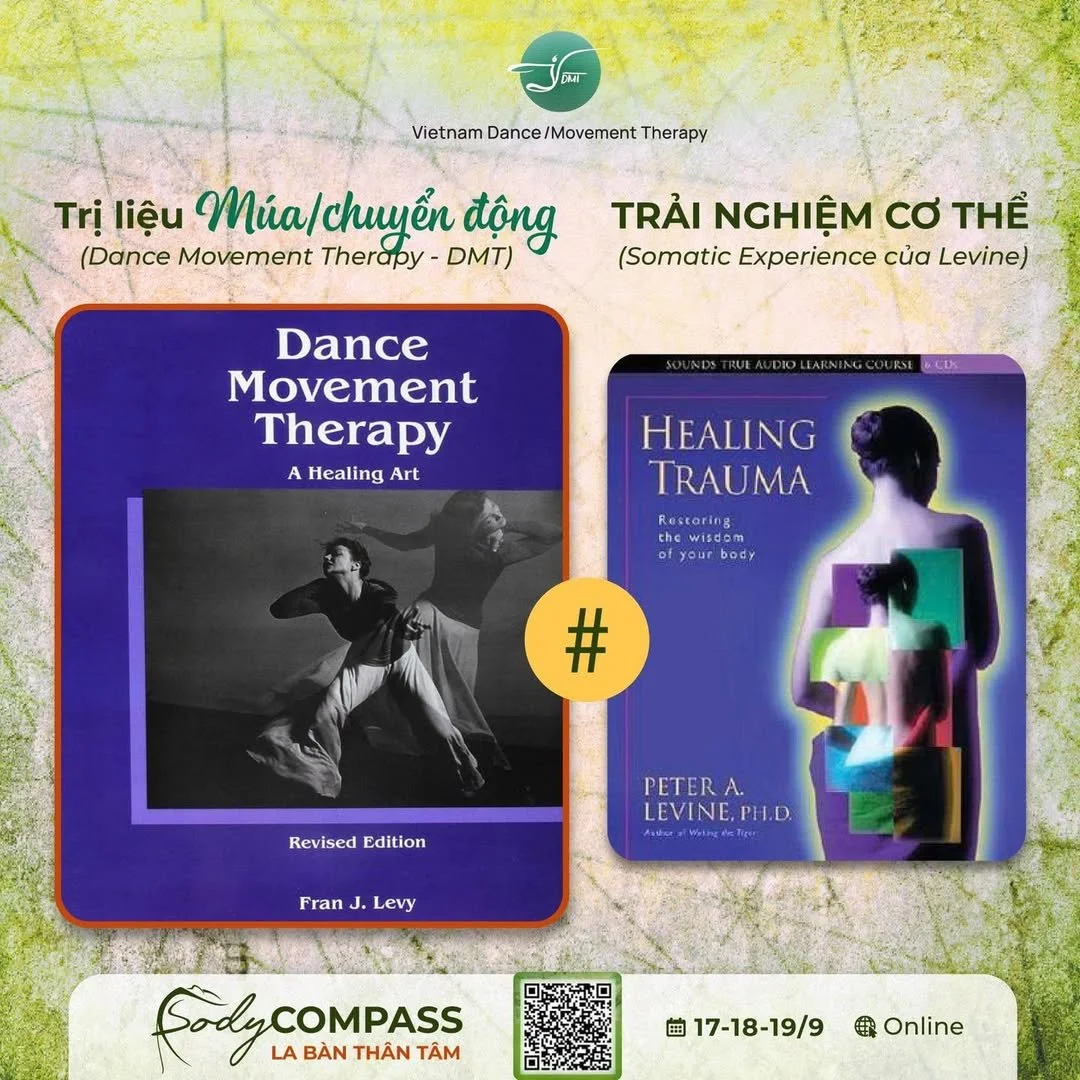
Somatic Dance Therapy
Neuroscience and psychology have shown that the body holds memories of traumatic experiences—and that the body itself is also the gateway to recovery and renewal when it is truly listened to. Two internationally recognized therapeutic approaches—Dance/Movement Therapy (DMT) and Somatic Experiencing (SE)—emerged from this foundation. Each functions as its own language of the body, reaching into the deepest layers of emotion, mind, and memory.
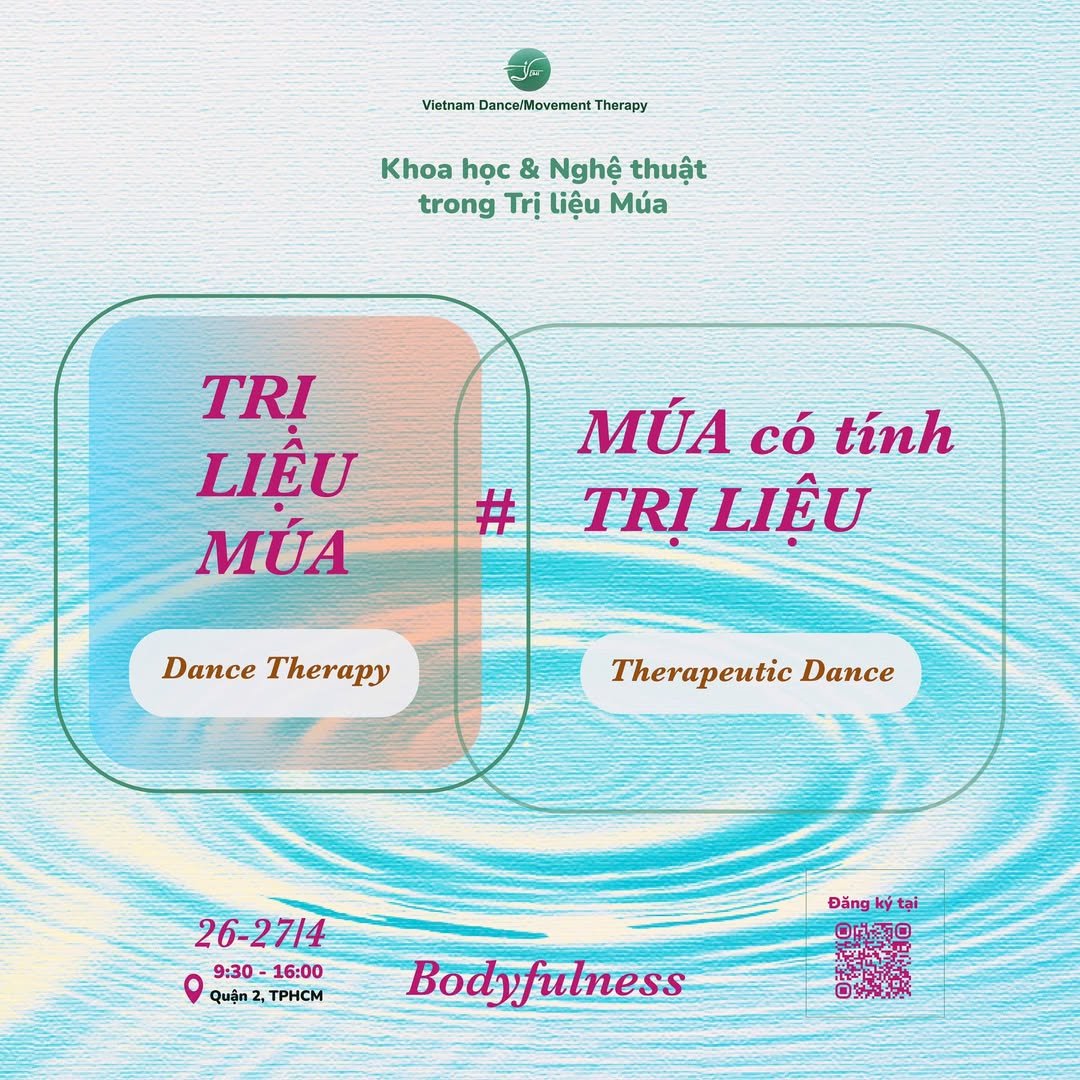
Dance Therapy & Therapeutic Dance — The Difference from a Scientific Perspective
In recent years, research in somatic psychology and interpersonal neurobiology has shown that bodily movement can have a powerful impact on the nervous system, emotions, and the capacity for psychological regulation. As a result, approaches such as Dance/Movement Therapy and Therapeutic Dance have received growing attention. However, they are not the same.
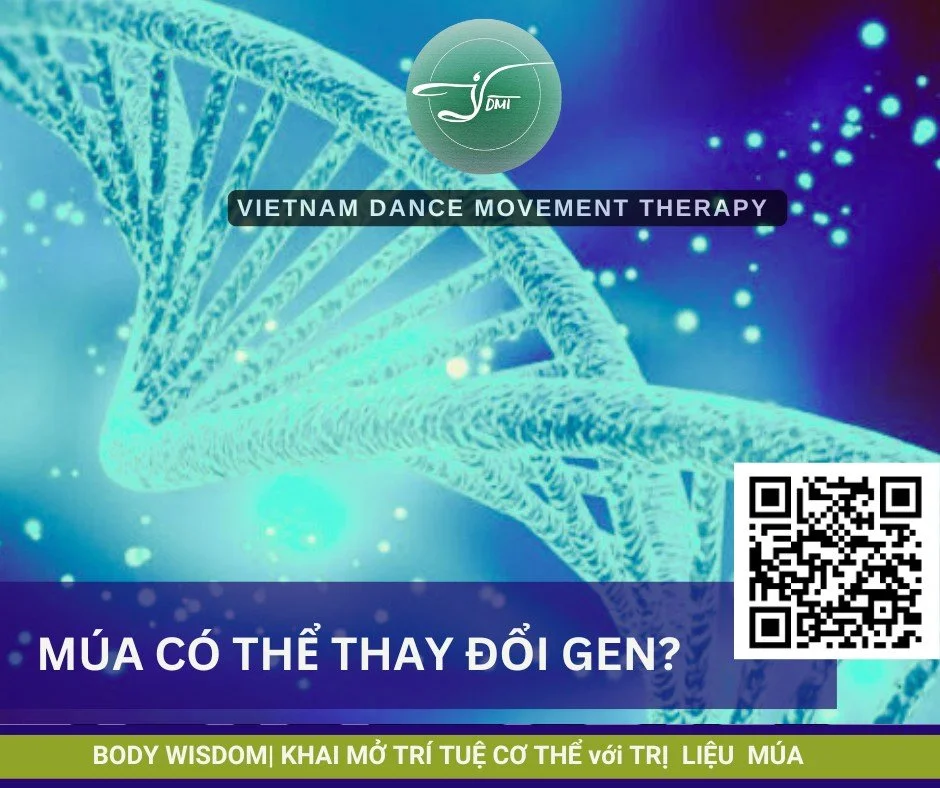
Does dance change your DNA?
Although dance cannot change the DNA sequence itself, scientific research shows that dance can influence gene expression through epigenetic mechanisms. This means that dance can affect physical and mental health by regulating how genes function—without altering the underlying genetic code.
Dance helps reduce stress, regulate hormones, and may influence genes related to aging, metabolism, and the immune system.
A letter to those who are “TOO NICE”
Healthy Boundaries: The Key to Protecting Mental Health
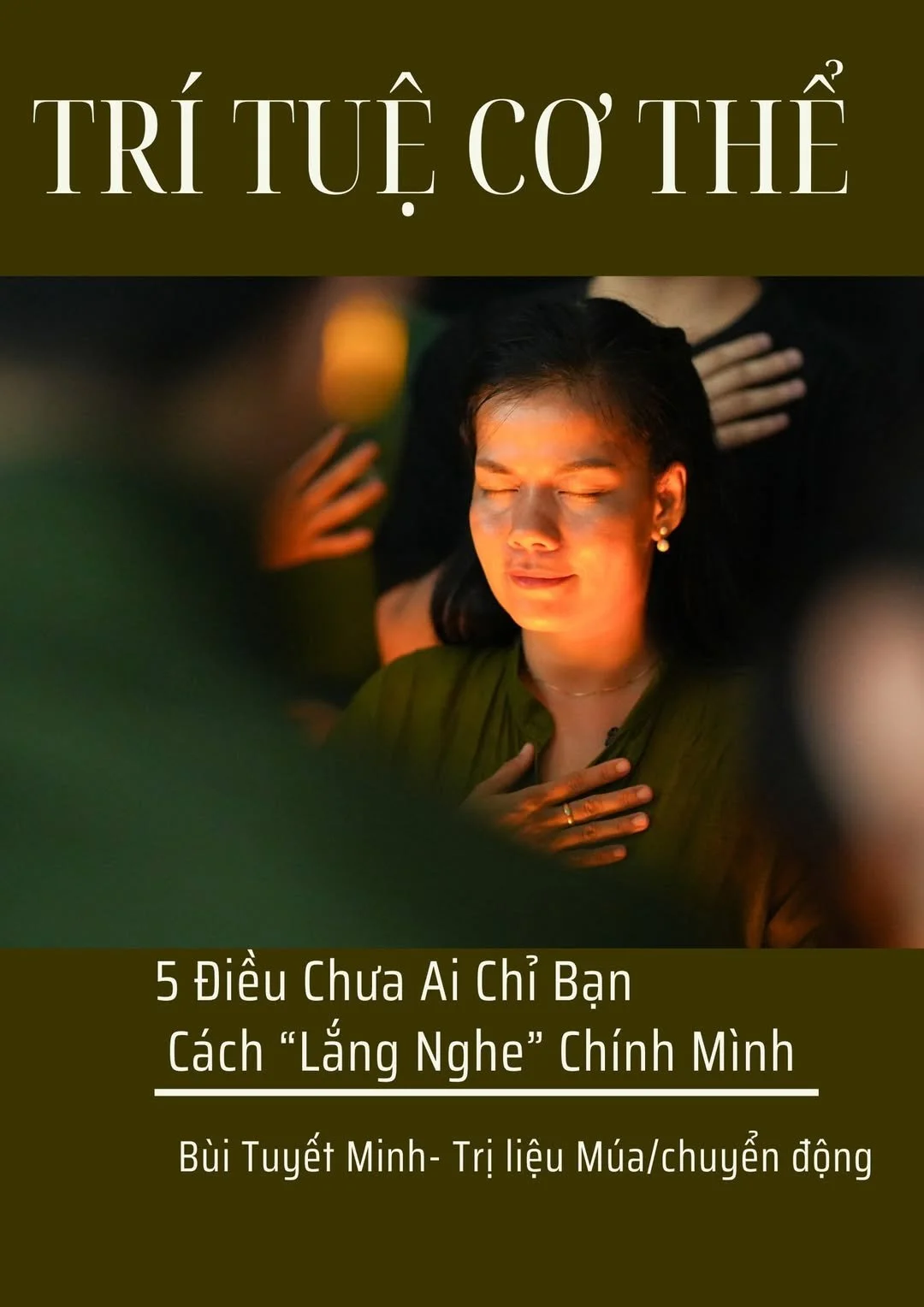
5 Signals Your Body Is “Speaking”
BODY WISDOM
Inhale. Exhale.
Is your body whispering something to you?
5 Secrets to Help You “Listen” to Yourself More Effectively
Amid the rush of daily life, we often function like machines—eating, working, moving, and interacting—while forgetting the subtle signals coming from our bodies. In truth, the body is constantly “in conversation” with us, in every single moment.
Creative Dance vs Dance Therapy
Mettler-based Creative Dance and Dance/Movement Therapy (DMT) are two completely different fields and approaches.
This explanation is offered by Ms. Bùi Tuyết Minh, a Dance/Movement Therapist, a member of the American Dance Therapy Association (ADTA), and a second-generation student of Mettler-based Creative Dance.