
Holistic medicine: Dance/Movement therapy and Palliative care
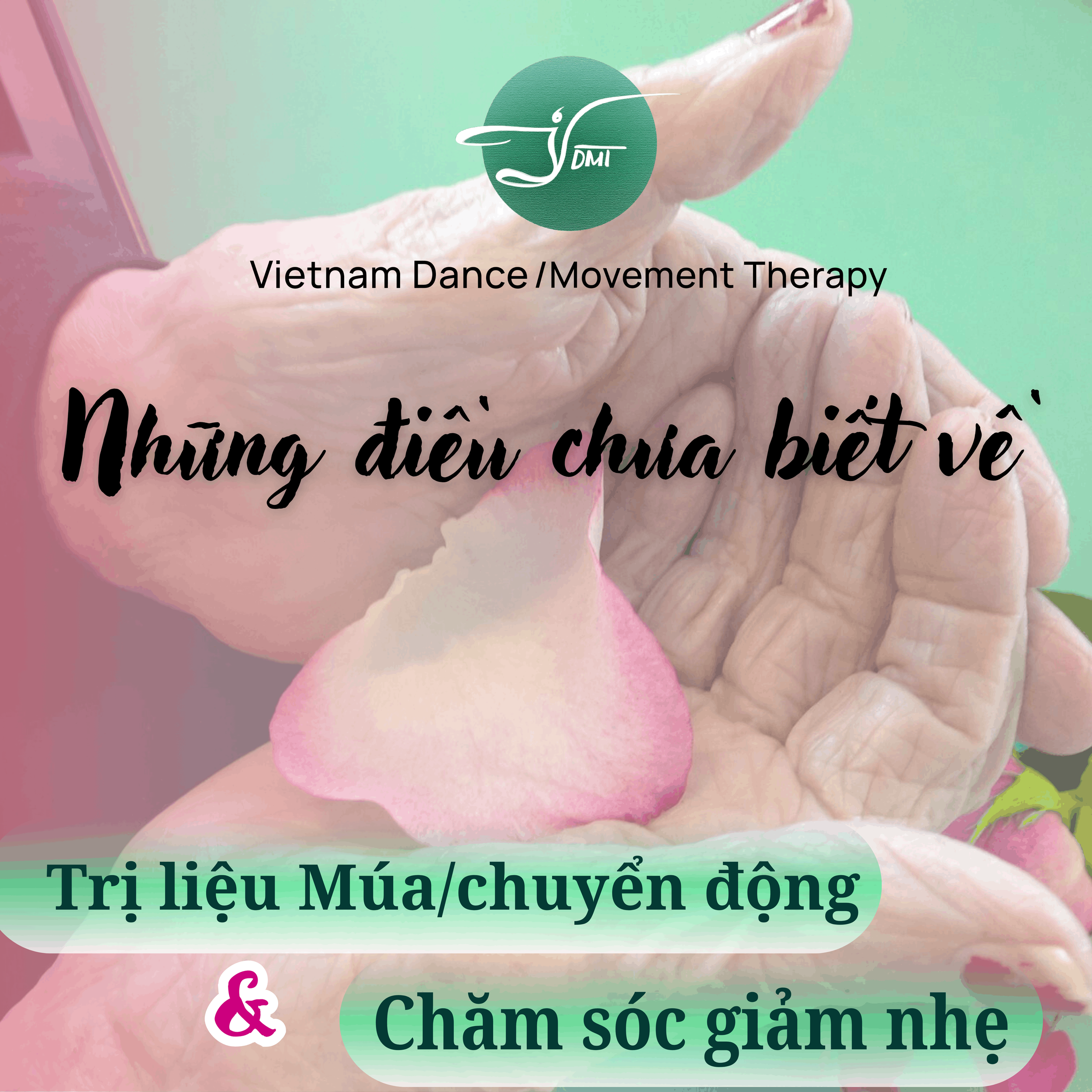
1. WHAT IS DANCE/MOVEMENT THERAPY (DMT)?
Dance/Movement Therapy (DMT) is a recognized form of psychotherapy in which body movement serves as the primary tool for clinical intervention, supporting the regulation and holistic development of the mind, body, and spirit.
According to the American Dance Therapy Association (ADTA), this method is based on a simple yet profound principle: the mind and body are inextricably linked, and movement is the visible expression of one's inner psychological life.
In therapeutic practice, movement is not a performance. It is a primal language that allows individuals to communicate their deepest stories when words become a burden or are no longer enough. Through body movement, clients can express emotions, memories, and even things that have never been named.
DMT is a discipline with a formal theoretical framework and clear clinical protocols, requiring specialized training (a Master's degree and at least 750 hours of supervised clinical practice). This rigor allows DMT to stand firmly as a professional therapeutic method.
2. WHAT IS PALLIATIVE CARE?
According to the World Health Organization (WHO), Palliative Care is a holistic approach aimed at improving the quality of life of patients and their families as they face life-threatening illness.
Palliative care is not just for the final days of life; it encompasses a very comprehensive and integrative approach to delivering healthcare. The core of palliative care is the relief of suffering and holistic support - physical, psychological, social, and spiritual - delivered through a multidisciplinary team.
The Difference in the Approach
Palliative Care typically approaches from the medical side: pain relief, symptom management, and psychological support.
Dance/Movement Therapy asks a different question: “In these circumstances, what does your body need to still feel alive, rather than just existing?”
When the body becomes weak, many people experience a sense of disembodiment. DMT helps clients feel their bodies again. Breathing or shifting one’s gaze is no longer a mechanical movement, but becomes a conscious, reconnecting experience, helping the patient find a sense of choice even in their most fragile state.
3. WHEN DANCE THERAPY AND PALLIATIVE CARE MEET
As Body-Mind Medicine becomes more integrated into mainstream medical care, the synergy between DMT and Palliative Care allows for more complete patient care. It brings a humanitarian depth: a place where the human being is seen and heard, and not reduced to a disease or a symptom.
Improving Quality of Life & Reducing Anxiety: DMT significantly improves psychological and physical outcomes, helping patients reduce fatigue and anxiety (Bradt & Goodill, 2015).
Spiritual Support at End-of-Life: Movement interventions bring a sense of connection and meaning even during the most sensitive stages of life (Woolf & Fisher, 2015).
In clinical practice, the dance therapist stands together with providers to bear witness, feeling those very small, subtle, and intimate moments of what it is like to shepherd others into the end of life. They help patients let go into the yielding of that which is much greater than themselves, remaining peacefully with the mysterious unfolding without fear.
Dance/Movement Therapy creates a safe space for the patient, their family, and the care team, a place where every movement, no matter how small, is a testament to a life lived fully.
Dance is not just art. When art harmonizes with science, DANCE becomes a medicine for mental and spiritual health.
