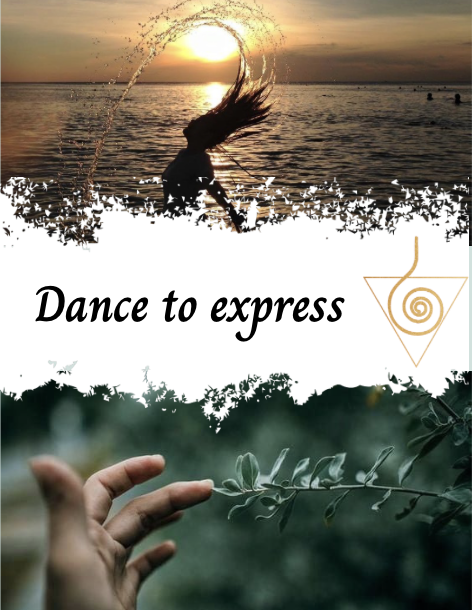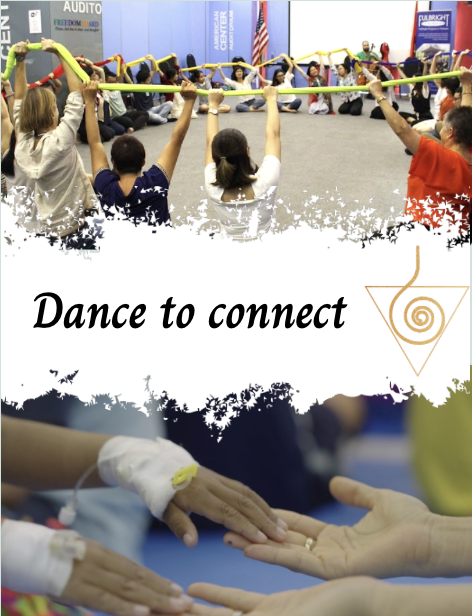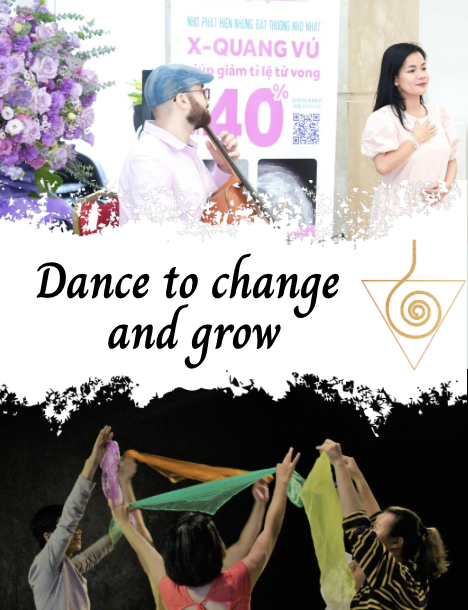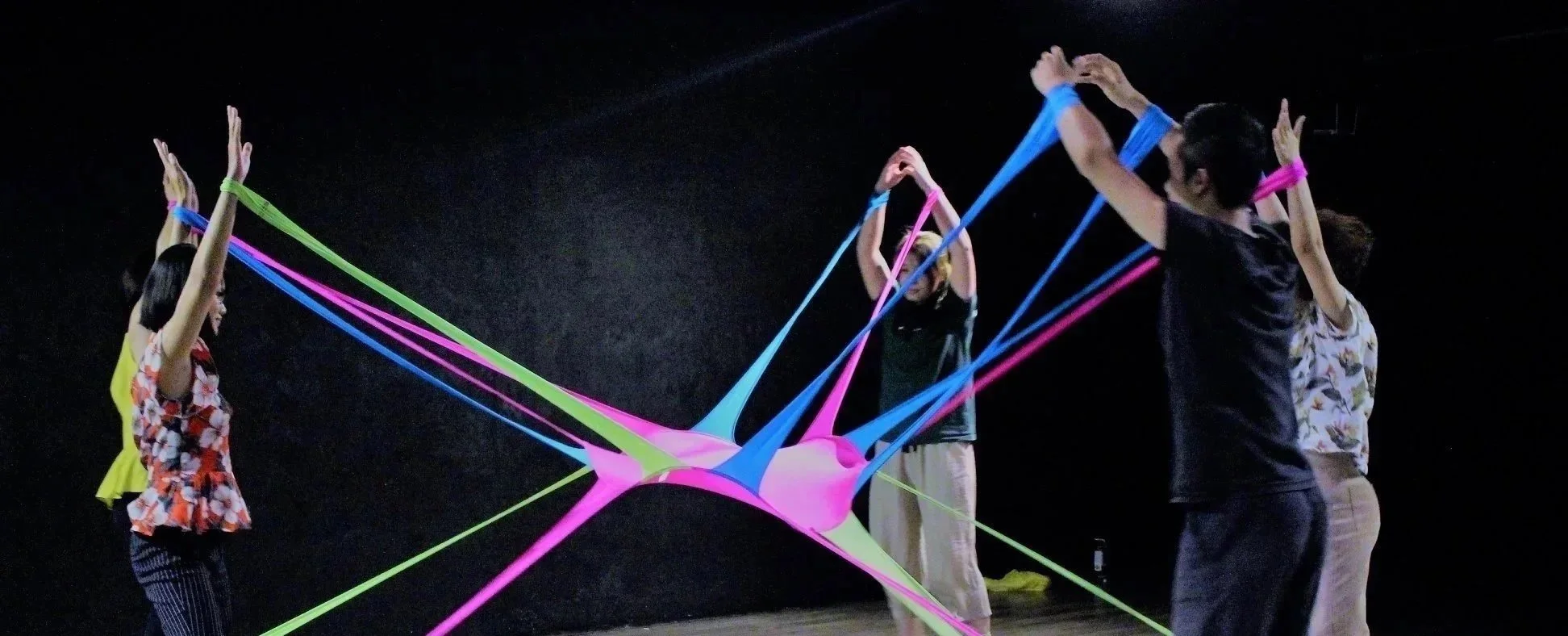
“Real change doesn’t come only from thinking differently, it begins with moving differently”
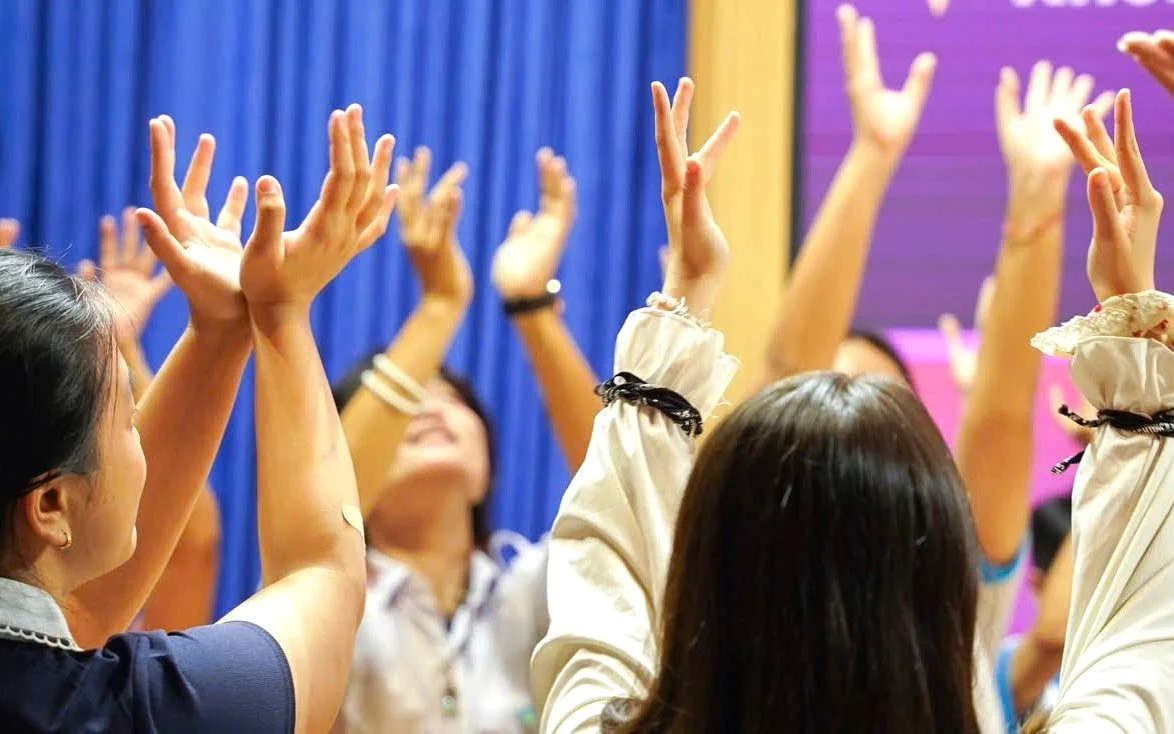
WHAT IS DANCE/MOVEMENT THERAPY?
Dance/Movement Therapy (DMT) is a psychotherapeutic discipline that uses bodily movement to foster connection between body, emotion, cognition, and relationships, enhancing mental health, emotional wellbeing, and quality of life.
DMT is grounded in the principle that body and mind form a unified whole. When movement changes, our emotions, thoughts, and the way we connect with ourselves and others change too; and vice versa.
Through movement, dance, and the creative process, DMT helps each person build greater self-awareness, regulate emotion, develop adaptability, and cultivate Body Wisdom. DMT is applied with individuals, couples, families, and groups of all ages, across fields such as mental health, healthcare, education, and community development.
-
Reality: Movement is humanity's first and most universal language. Dance/Movement Therapy doesn't require dance skill, it honors each person's authentic movement as a way to express, connect, and discover themselves.
-
Reality: Movement is the foundation of life and development. Dance exists in every culture and belongs to everyone. Before it became an art form, dance was a natural need, a way to express, connect, and adapt to the world. From the womb, we already sense, learn, and develop through movement. Before we can speak, we communicate, build a sense of safety, identity, and relationships through our own bodies. Dance is the natural continuation of that developmental process, where rhythm, space, imagery, emotion, and story come together into the human experience.
-
Reality: Dance/Movement Therapy is an evidence-based mental health discipline, recognized and applied in hospitals, schools, and healthcare settings around the world. Through movement, DMT supports greater body awareness, sensory and emotional regulation, and stronger connection, empathy, adaptability, and quality of life across the physical, emotional, cognitive, and social dimensions.
Many people describe the feeling after a Dance/Movement Therapy session as like "coming home." For us, the body is the home of emotion, memory, and lived experience. That's why the healing journey often begins with learning to be present and reconnect with one's own body.
THINGS YOU MAY NOT KNOW ABOUT DANCE/MOVEMENT THERAPY
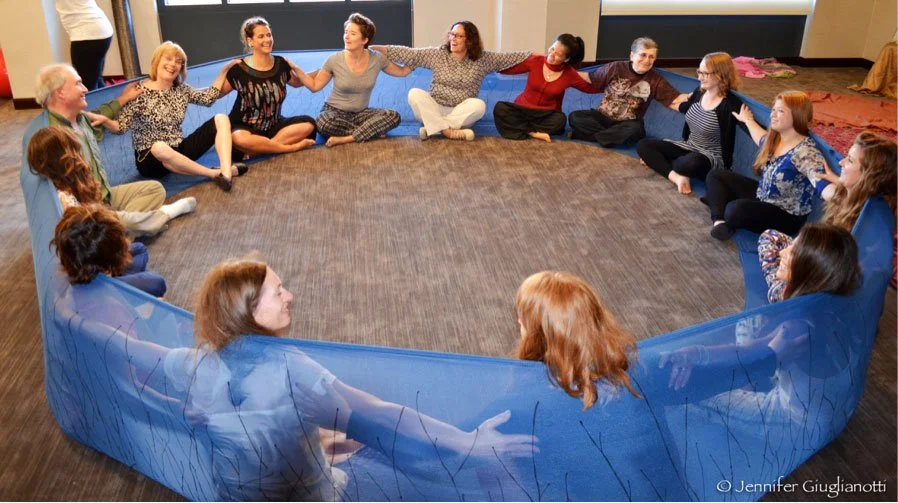
CORE VALUES OF DANCE/MOVEMENT