
Dance Therapy & Therapeutic Dance — The Difference from a Scientific Perspective
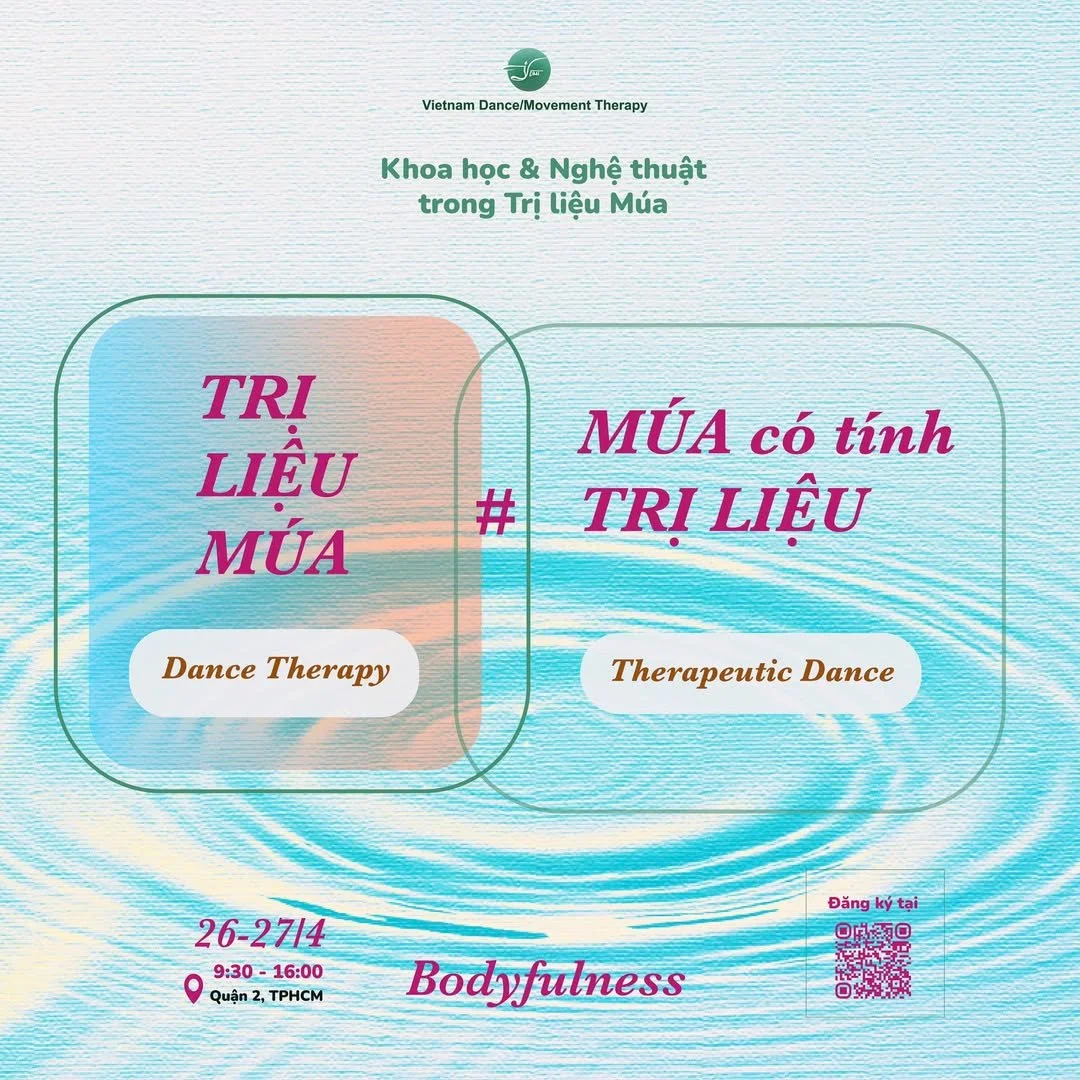
In recent years, research in somatic psychology and interpersonal neurobiology has increasingly shown that bodily movement can have a powerful impact on the nervous system, emotions, and the capacity for psychological regulation.
As a result, approaches such as Dance/Movement Therapy and Therapeutic Dance have gained growing attention. However, they are not the same.
Dance/Movement Therapy (DMT)
Dance/Movement Therapy is a formal form of psychotherapy in which bodily movement is used as a clinical intervention tool. According to the American Dance Therapy Association (ADTA), DMT is grounded in the principle that “the body and mind are intimately connected, and movement is the outward expression of internal psychological processes.”
Dance/movement therapists receive rigorous training in psychology, motor development, neuroscience, movement analysis, and nonverbal observation and intervention. Most importantly, licensed dance/movement therapists must hold at minimum a master’s degree, complete at least 750 hours of supervised clinical practice, adhere strictly to professional ethics, and engage in ongoing professional development through organizations such as the American Dance Therapy Association or the Asia–Pacific Dance/Movement Therapy Association.
DMT has been scientifically validated as effective in supporting individuals with anxiety disorders, depression, PTSD, developmental disorders, psychological trauma, and more, across a wide range of ages. It is commonly practiced in hospitals and community healthcare settings throughout Western countries and in parts of Asia, including Japan and South Korea. In psychotherapy that uses dance/movement, there are clear therapeutic goals aimed at creating holistic and positive change across body, mind, and emotion.
Therapeutic Dance
Therapeutic Dance refers to any form of dance—free movement, folk dance, contemporary dance, ballet, or creative dance—that carries an inherent, natural healing quality. Dance, like the arts in general, can help us feel more relaxed, bring enjoyment, and support emotional release through practice. These dance experiences may be self-taught online or shared with teachers, friends, or community members, without the need for a dance/movement therapist, without a treatment plan or clinical intention, and can take place anywhere.
According to Barbara Mettler (1980) (https://www.barbaramettler.org/):
“Dance is an activity that can take many forms and serve many different needs. Dance may be entertainment, performance, culture, education, or religion. In its most pure and basic form, dance is an art—the expressive use of bodily movement as a means of communication, connection, social interaction, and integration. Dance is a fundamental human need.”
